Dynamic Loyalty Frameworks in Real-Time Betting Platforms for Football Markets, Racing Handicaps, and Casino Wheels
Casey Baumann · Oct 10, 2026
Dynamic Loyalty Frameworks in Real-Time Betting Platforms for Football Markets, Racing Handicaps, and Casino Wheels
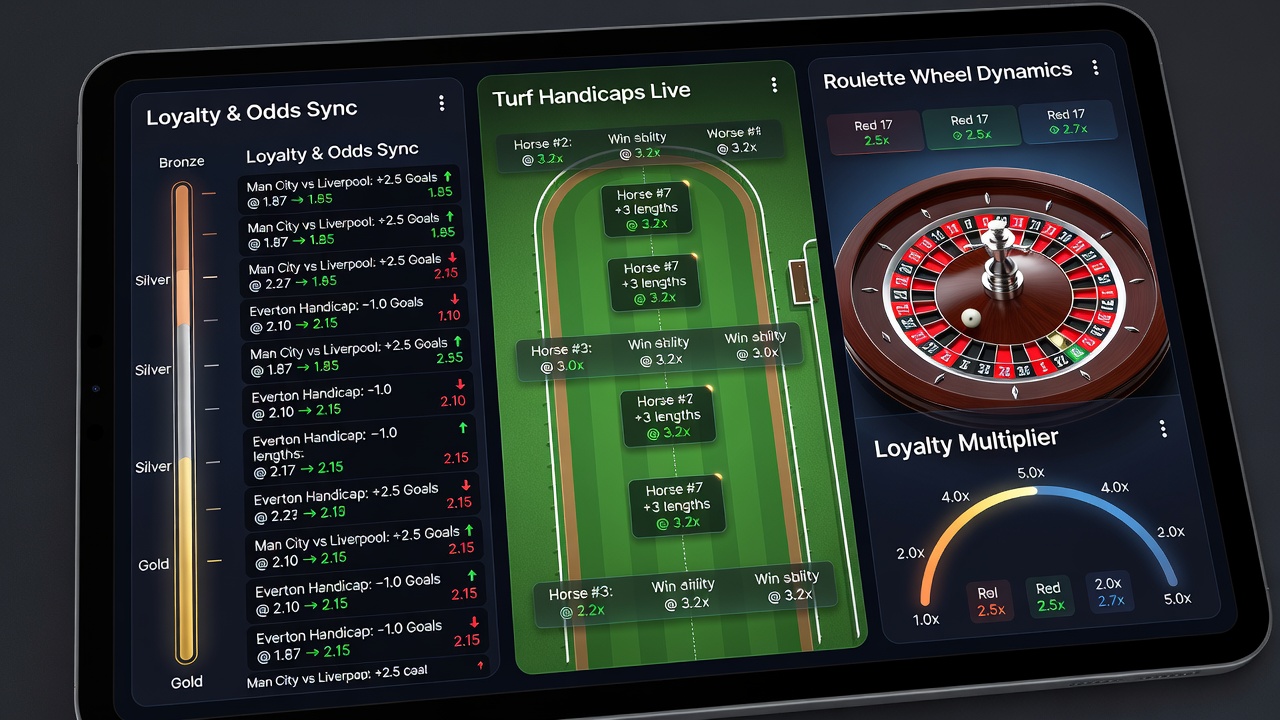
Operators coordinate loyalty tiers with live odds feeds by syncing user account data to backend systems that update point accumulation rates as odds shift during active sessions, and this process spans football exchanges where bettors place in-play wagers, turf handicaps on horse racing platforms, and roulette wheels in casino modules. Data from October 2026 shows increased integration demands as app sessions lengthen across these verticals, with systems adjusting reward multipliers when odds fluctuate beyond set thresholds.
Core Mechanics of Tier Synchronization
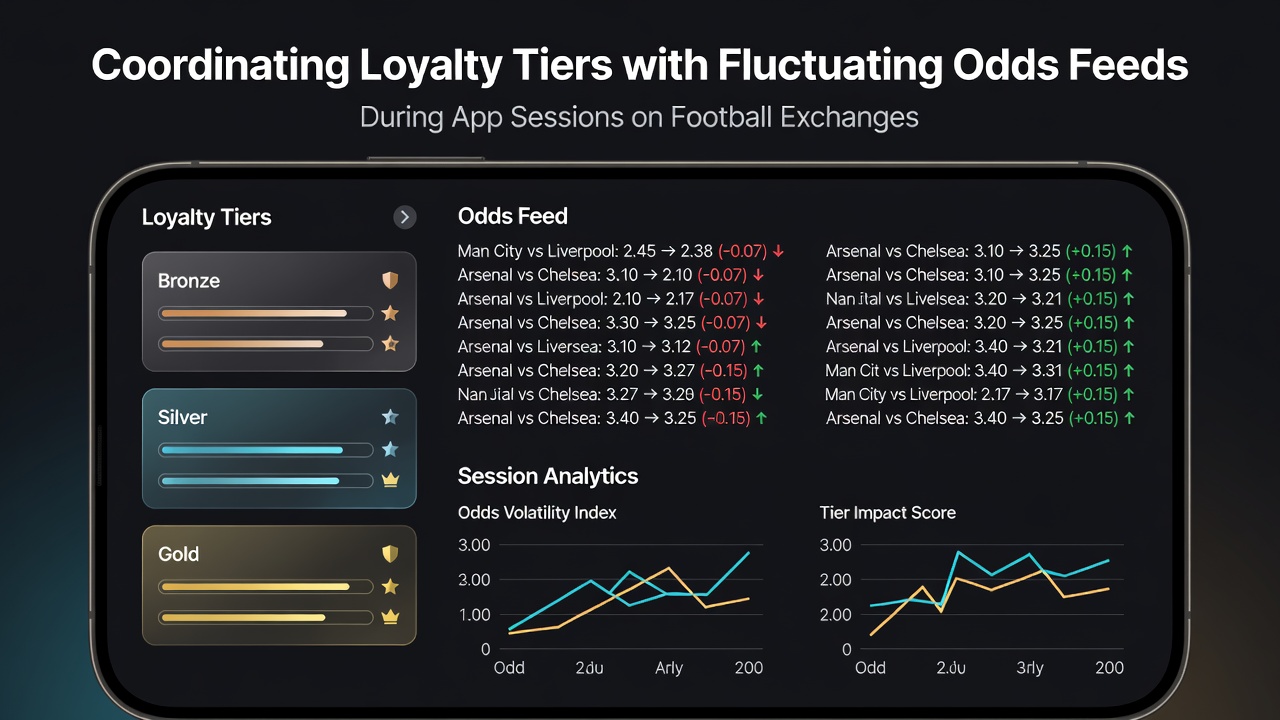
Systems pull real-time odds from exchange APIs and map them to loyalty rules so that a user on a bronze tier receives standard points while a gold tier account accrues bonuses when odds move rapidly, and developers build these connections through event-driven triggers that fire on each odds update. Studies from the European Gaming and Betting Association indicate that such mappings reduce session drop-offs by maintaining consistent reward visibility even as market conditions change.
Football exchanges present unique demands because in-play odds adjust continuously during matches, and loyalty engines must recalculate expected points on every price tick without interrupting the betting flow. One platform case documented in industry reports revealed that delayed syncs caused users to miss tier progression alerts during high-volatility periods, prompting operators to adopt micro-batch processing that refreshes loyalty balances every few seconds.
Application Across Racing Handicaps
Turf handicaps introduce additional variables since odds respond to track conditions, jockey changes, and late scratches, and loyalty tiers must reflect these movements while users remain in the app. Observers note that successful implementations use weighted formulas that factor both the size of the odds swing and the remaining time before race off, allowing higher-tier users to unlock accelerated point rates during volatile windows.
App sessions on racing platforms often span multiple events, so coordination extends to accumulating points across successive handicaps while odds feeds continue updating, and this requires persistent session tokens that carry loyalty status forward without resetting on each new race. Research indicates that platforms maintaining seamless continuity see higher retention rates among users who switch between pre-race and in-running markets.
Casino Wheel Integration Patterns
Roulette wheels generate frequent small odds adjustments based on table history and betting patterns, and loyalty coordination here focuses on spin-by-spin point allocation rather than large market swings. Systems track wheel outcomes against user tier levels to apply instant multipliers, and this approach differs from sports exchanges because roulette sessions involve rapid, repetitive actions that demand low-latency updates to avoid perceived reward lag.
Operators combine these verticals within single apps by routing all three data streams through a unified loyalty service layer, and users switching from a football exchange to a roulette wheel keep their tier status intact while the underlying odds feeds continue influencing point calculations independently. Data shows that unified layers prevent tier desync issues that previously occurred when separate modules handled each product.
Technical Challenges and Solutions
Fluctuating feeds create latency risks when loyalty calculations compete for processing resources during peak sessions, and engineers address this through priority queuing that favors odds ingestion over reward updates yet still delivers near-real-time tier feedback. One documented approach involves caching tier rules locally on the device so that point projections display immediately while backend reconciliation occurs in the background.
Security protocols require that loyalty adjustments remain auditable even when odds change rapidly, and platforms implement immutable logs that record both the odds value at the moment of calculation and the resulting point award. This practice supports compliance checks across jurisdictions and helps operators verify that tier benefits apply consistently regardless of market volatility.
Future Developments Noted in 2026
October 2026 reports highlight growing use of predictive models that anticipate odds volatility and pre-adjust loyalty multipliers before users place bets, and these models draw on historical data from football exchanges, racing handicaps, and roulette sequences to forecast high-movement periods. Such forecasting allows apps to notify users of impending tier boosts without requiring constant manual monitoring of odds boards.
Cross-vertical loyalty remains an active area of refinement as operators seek to balance reward generosity against margin protection, and integration frameworks continue evolving to handle simultaneous sessions where a single user engages football markets while a companion roulette wheel spins in another tab. Academic sources including analyses from the University of Nevada, Reno, document these patterns and note the increasing reliance on modular APIs that isolate loyalty logic from core betting engines.
Conclusion
Coordinating loyalty tiers with fluctuating odds feeds requires tight coupling between real-time data streams and account management systems across football exchanges, turf handicaps, and roulette wheels, and platforms that achieve reliable synchronization maintain user engagement through consistent reward visibility. Continued technical investment in low-latency processing and unified service layers supports these operations while meeting regulatory expectations for transparent point allocation.