Exploring Shifts in British Betting Behaviors Amid Regulatory Updates
Ulrich Schmidt · Sep 26, 2026

UK Gambling Commission Releases Annual Figures on £17.5 Billion Gross Gambling Yield
The UK Gambling Commission has published its annual industry statistics for the financial year running from April 2025 to March 2026, and those figures show Great Britain’s customer-facing gambling sector produced a total gross gambling yield of £17.5 billion. That amount represents a 4.4% rise compared with the previous year, and the growth occurred while participation rates held steady across the adult population. Data from the commission indicates remote gambling accounted for the larger share of the increase, whereas land-based operations recorded more modest gains amid ongoing contraction in physical retail outlets.Breakdown of Gross Gambling Yield by Channel
Remote gambling, which includes online platforms, generated £8.3 billion in gross gambling yield during the period, and that total reflects a 6.9% year-on-year increase. Online slots emerged as a notable contributor within that segment, while other remote betting products also supported the overall expansion. Land-based gambling, by contrast, produced £4.9 billion in gross gambling yield, which equates to a 1.1% rise, and observers note this slower pace aligns with continued shrinkage in the number of betting shops and licensed premises.
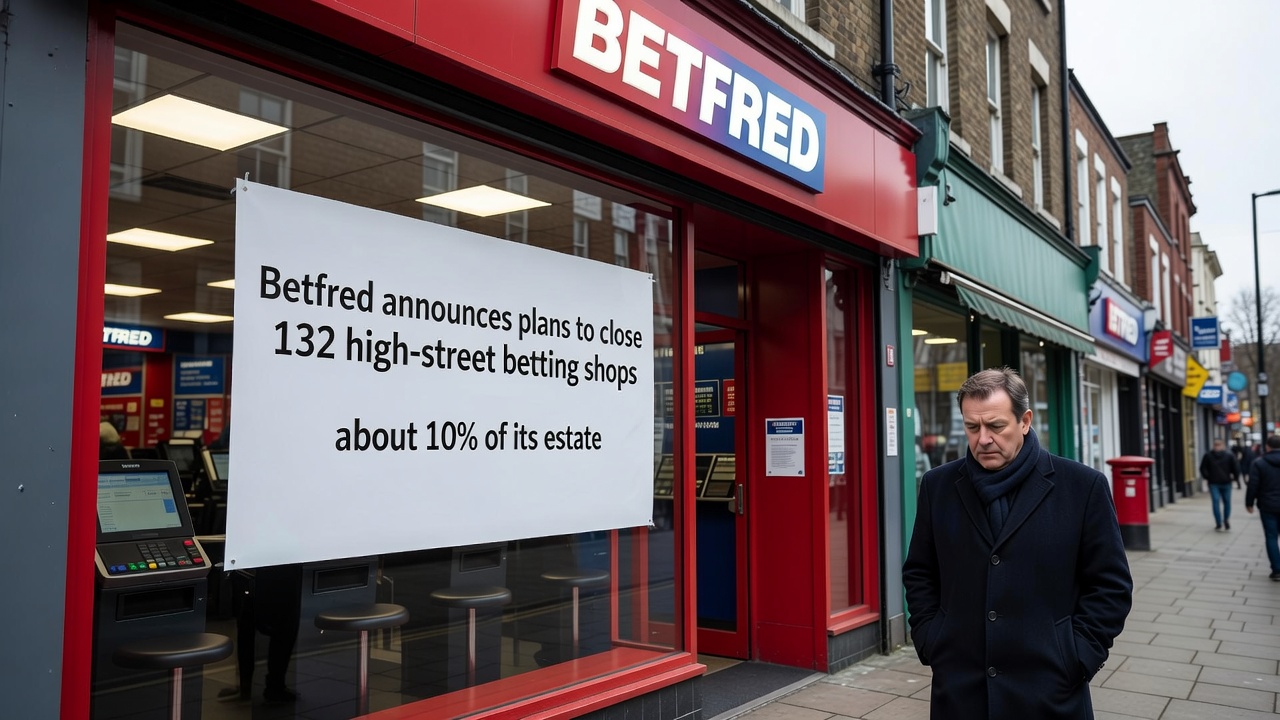
The number of betting shops fell 3.6% to 5,617 locations, and the broader count of licensed premises declined as well. These shifts illustrate how customer preferences continue moving toward digital channels even as total sector revenue grows at a measured rate. Figures released by the commission connect the remote sector’s stronger performance directly to product types such as slots that attract consistent play volumes throughout the year.
Participation Rates Remain Stable
Adult participation in gambling stayed at 49% over the past four weeks according to the latest statistics, and that rate drops to 28% when lottery-only activity is excluded. The stability in these percentages suggests that while overall yield increased, the proportion of adults engaging in gambling did not expand significantly during the financial year. Researchers examining the data point out that remote channels captured a greater share of existing participation rather than drawing substantial numbers of new customers.
Context for the Reported Growth
The 4.4% overall increase occurred against a backdrop of regulatory changes and market adjustments that began taking effect in prior years. Remote operators benefited from established customer bases and product innovations, whereas land-based venues faced higher operating costs and fewer locations. The Gambling Commission report links these outcomes to structural differences between the two sectors, with remote gambling showing greater flexibility in responding to demand patterns.
Statistics compiled by the commission cover the full customer-facing industry and provide a consistent benchmark for tracking year-on-year movement. The £17.5 billion total encompasses all regulated activities, and the split between remote and land-based portions highlights where expansion concentrated during the April 2025 to March 2026 period. Those who track industry data note the 6.9% remote rise outpaced the 1.1% land-based gain by a clear margin, reinforcing the ongoing transition toward digital platforms.
Additional Details from the Annual Report
Within the remote category, slots contributed meaningfully to the £8.3 billion figure, and betting shops recorded the largest decline among physical venues. The reduction to 5,617 betting shops represents a continuation of trends observed in earlier reporting periods. Licensed premises overall followed a similar downward trajectory, which aligns with operator decisions to consolidate or exit certain locations amid changing consumer behavior.
The participation metric of 49% in the past four weeks, or 28% excluding lottery-only play, provides context for interpreting the yield growth. Because the percentage of adults gambling remained essentially unchanged, the higher gross gambling yield stems primarily from increased activity among existing participants rather than broader market penetration. This distinction appears throughout the commission’s dataset and helps explain why remote channels recorded stronger percentage gains than their land-based counterparts.
Conclusion
The annual statistics released by the UK Gambling Commission document a £17.5 billion gross gambling yield for the 2025-26 financial year along with the 4.4% increase and the contrasting performance of remote versus land-based segments. Remote gambling reached £8.3 billion after rising 6.9%, while land-based yield edged up 1.1% to £4.9 billion as betting shops declined to 5,617. Participation held at 49% of adults, or 28% without lottery-only activity, according to the official figures. The Gambling Commission report supplies the source data for these measurements and continues to serve as the primary reference for sector-wide performance in Great Britain.