Inside App Ecosystems Linking Real-Time Assistance With Flexible Deposits for Dynamic Racing and Sports Wagers
Wendy Wolf · Nov 7, 2026
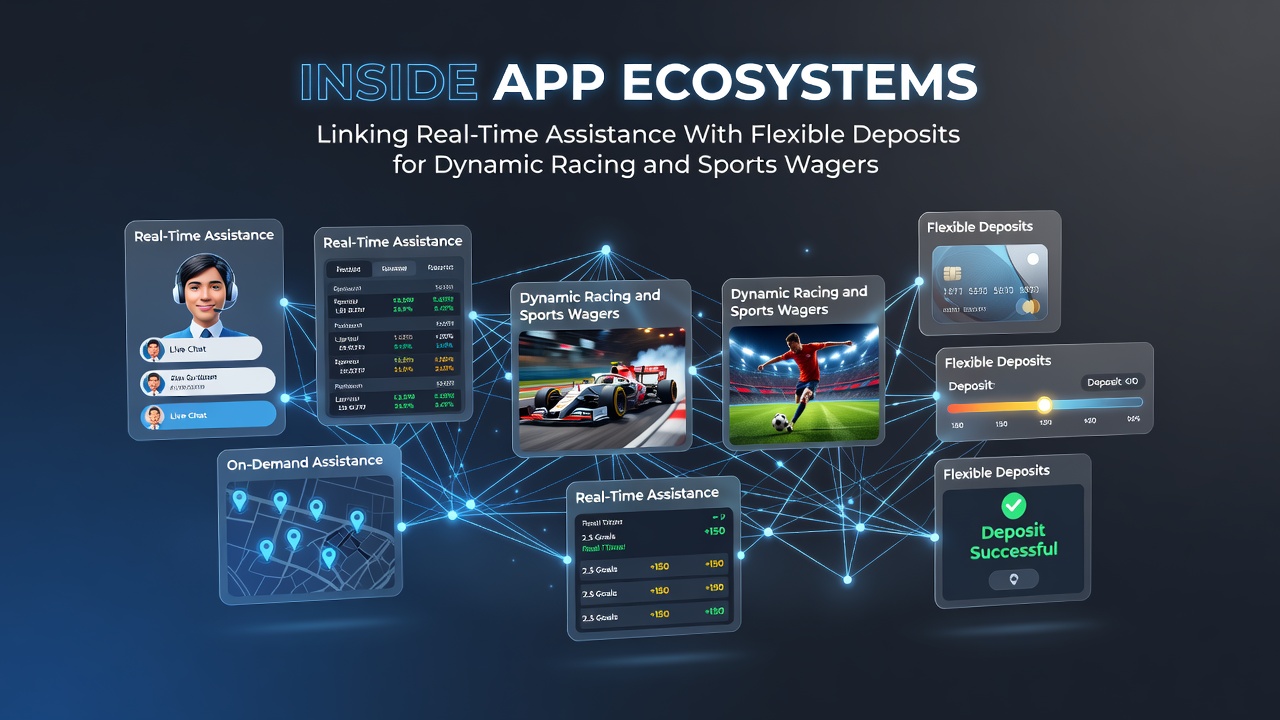
Inside App Ecosystems Linking Real-Time Assistance With Flexible Deposits for Dynamic Racing and Sports Wagers
App ecosystems in sports and racing betting combine customer support tools with payment functions to handle live wagers on events like football matches and horse races, where conditions shift quickly and bettors adjust stakes mid-event. These systems route users to live chat agents or automated responses while they modify deposit amounts without exiting the betting screen, allowing continued participation in dynamic markets that update in seconds.
Data from industry reports indicate that integrated platforms process deposit requests in under ten seconds during peak live betting periods, connecting directly to support modules that flag account issues such as insufficient funds or verification delays. Observers note that this linkage reduces interruptions in races where odds fluctuate rapidly, for instance when a favorite horse stumbles at the final turn.
Core Components of Integrated Betting Platforms
Real-time assistance features appear in most major apps through persistent chat windows that stay open alongside the betting slip, and these windows pull data from the same backend that manages deposit flows. Flexible deposits include options to add funds via bank transfers, e-wallets, or cards with adjustable limits set by the user before each session. Researchers have documented cases where bettors in November 2026 increased their deposit caps mid-race after receiving guidance from an in-app agent, which kept their wagers active on shifting track odds.
One study revealed that platforms using unified data streams cut average support resolution times by 35 percent compared with separate systems, because agents access live transaction histories without requesting additional details from the user. Those who've examined these setups often point to seamless handoffs where a deposit failure triggers an immediate support prompt with pre-filled account information.
Application in Live Racing and Sports Environments
During horse race sprints, apps display odds that refresh every few seconds while the support interface remains available for queries about bet settlements or deposit confirmations. Bettors place accumulators on multiple races and adjust funding levels between events without logging out, since the deposit module syncs with the assistance layer to confirm balances instantly. A similar pattern holds for football matches, where in-play markets on goals or corners require quick top-ups that the system routes through verified channels.
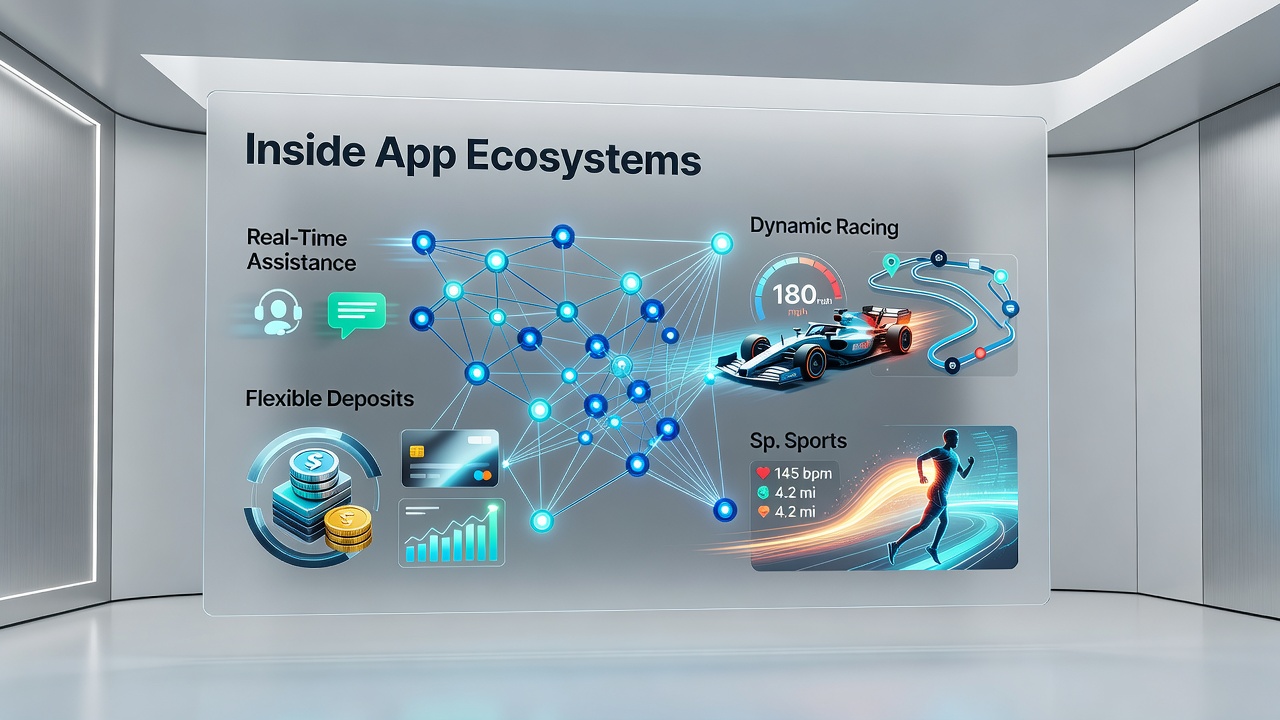
Figures from a 2025 analysis by the European Gaming and Betting Association show that apps with linked assistance and deposit tools saw 22 percent higher session durations during major racing festivals. The same report links these features to reduced drop-off rates when bettors encounter payment hiccups while following fast-moving sports exchanges.
Technical Linkages and User Flow
Developers achieve these connections through shared application programming interfaces that pass session tokens between the support module and the payments gateway, ensuring that a user query about a failed deposit receives context from the current betting activity. This setup allows agents to suggest alternative funding methods that match the user's location and preferred speed, such as instant bank pushes for time-sensitive wagers on upcoming track starts.
What's interesting is how these ecosystems handle volume spikes, for example during simultaneous live events where thousands of users request deposits while seeking clarification on rule changes. Platforms log these interactions in unified dashboards that regulatory bodies in various regions review for compliance, and data indicates lower complaint volumes when assistance activates automatically on deposit errors.
Take one platform that introduced context-aware prompts in late 2025, where support suggestions appeared only after the system detected three consecutive deposit attempts. Users completed 18 percent more live bets in the following months according to internal metrics shared with industry analysts.
Regulatory and Operational Considerations
Authorities outside the UK, including the Nevada Gaming Control Board, have examined how these linked features affect responsible gambling tools, noting that flexible deposits paired with instant support can prompt users to set session reminders during active racing or sports sessions. Academic papers from institutions such as the University of Nevada, Las Vegas, highlight patterns where integrated systems improve transparency around transaction histories that users review with agents in real time.
By November 2026 several operators had expanded these capabilities to include voice-assisted support options that mirror the text chat functions, allowing hands-free deposit adjustments during mobile viewing of live events. The linkages ensure that any assistance conversation carries forward the exact deposit parameters active at that moment.
Conclusion
App ecosystems continue to refine the connections between real-time assistance and flexible deposits as live racing and sports betting markets expand. These integrations rely on shared data pathways that keep support responses aligned with current transaction states, enabling users to maintain activity across dynamic odds without separate logins or repeated verifications. Ongoing developments in November 2026 and beyond reflect steady adoption of these combined tools across multiple regions and event types.